
Process notes· 05
Process notes for ordering.
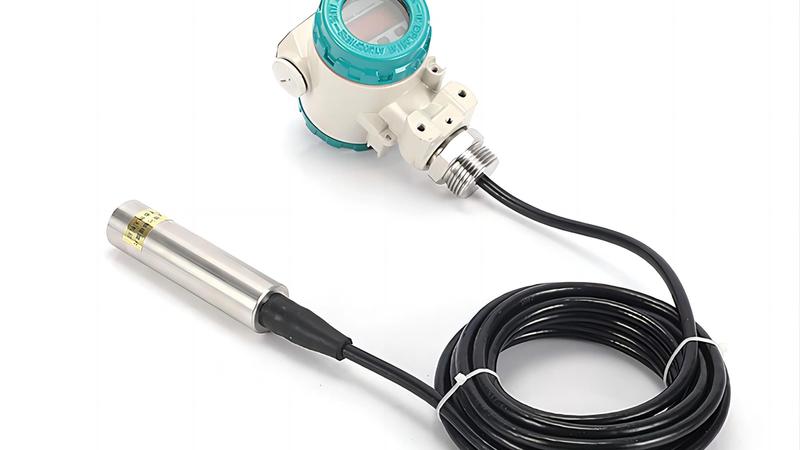
Well and reservoir level selection should include total depth, normal level, lowest pumping level, cable route, cabinet location, surge protection and whether a local display is needed.
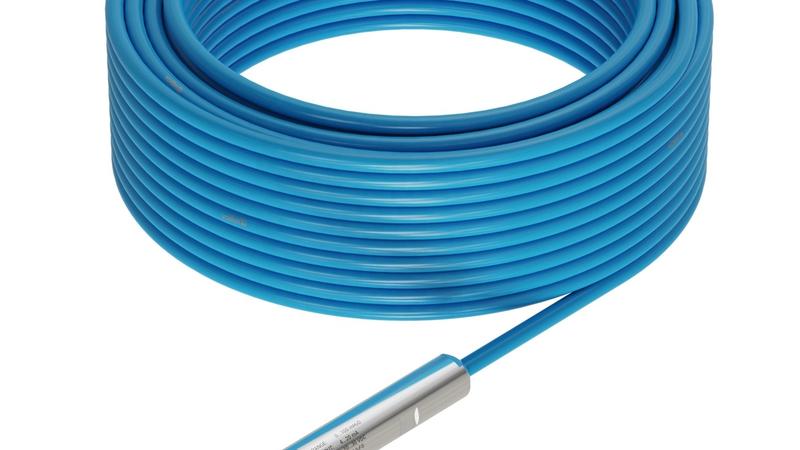
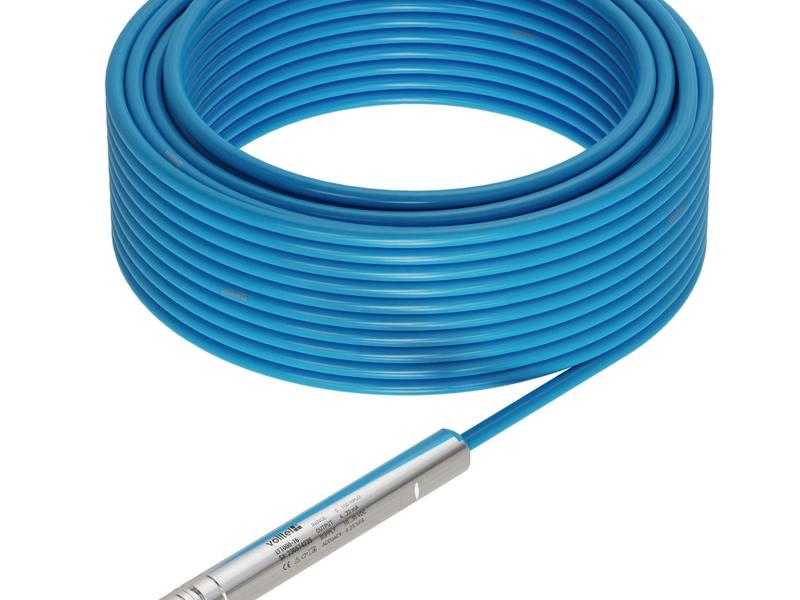
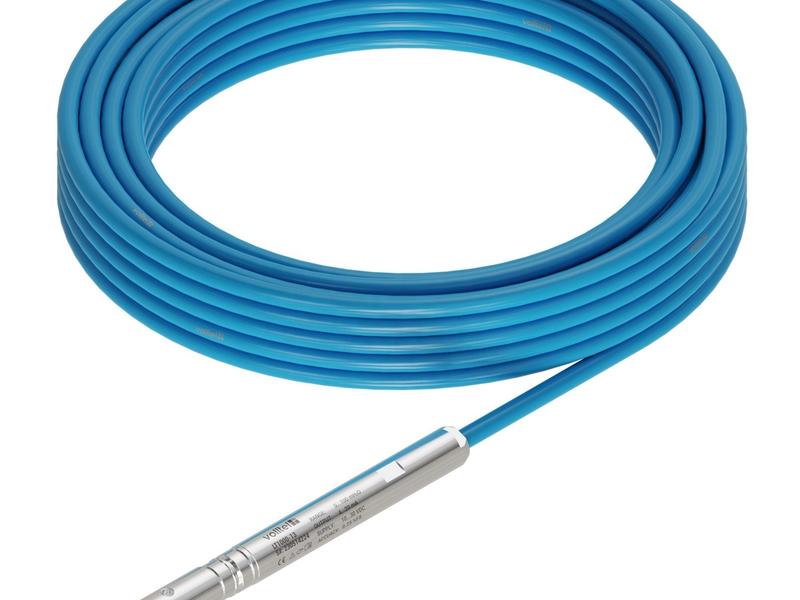
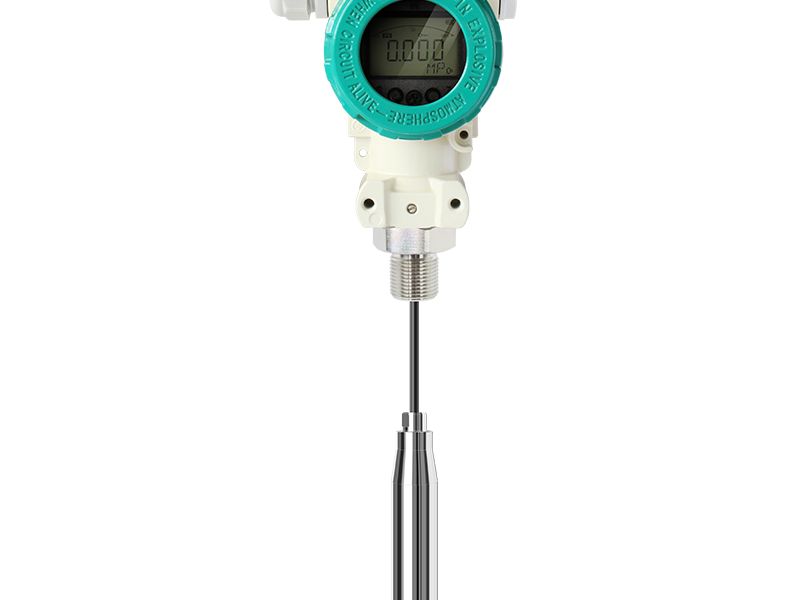
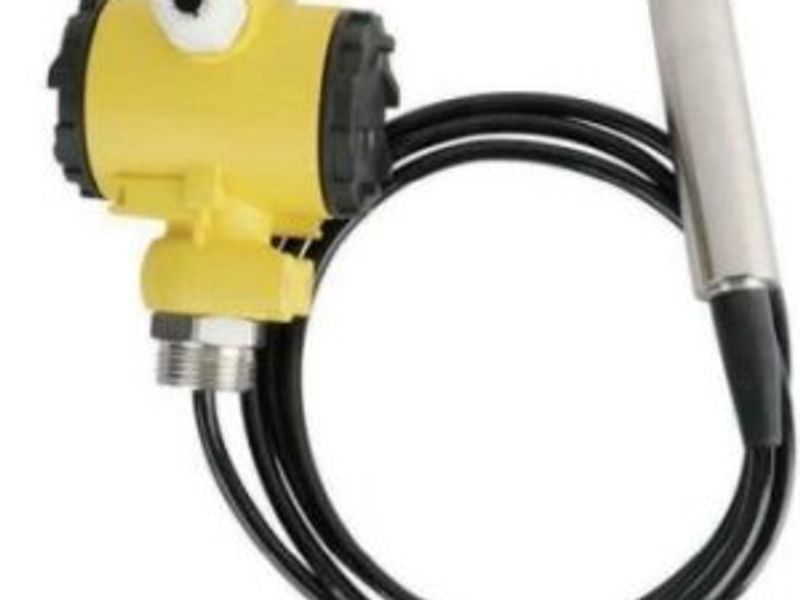
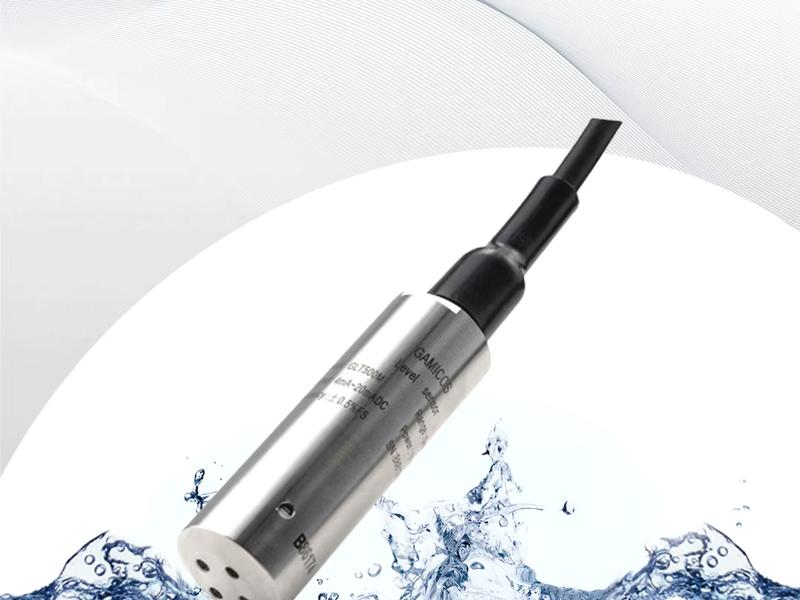
Hydrostatic probes are usually the first choice for submerged water level measurement. Small-diameter probes are used for narrow boreholes, while protected or armored cable options are reviewed for rough installation routes.
If the water is corrosive, seawater or chemically treated, the probe body, diaphragm, seals and cable sheath must all be checked, not only the pressure range.
Operating limits vary by medium and installation - values above are typical ranges, confirmed per project.