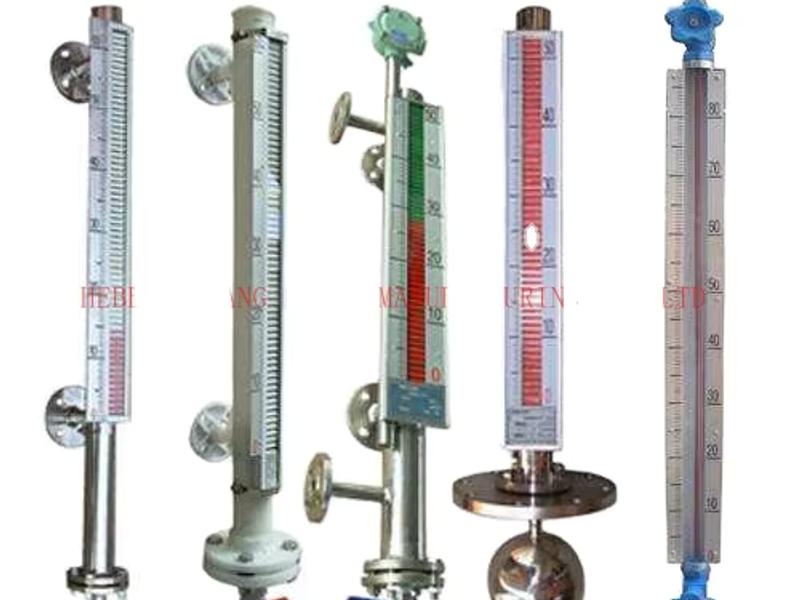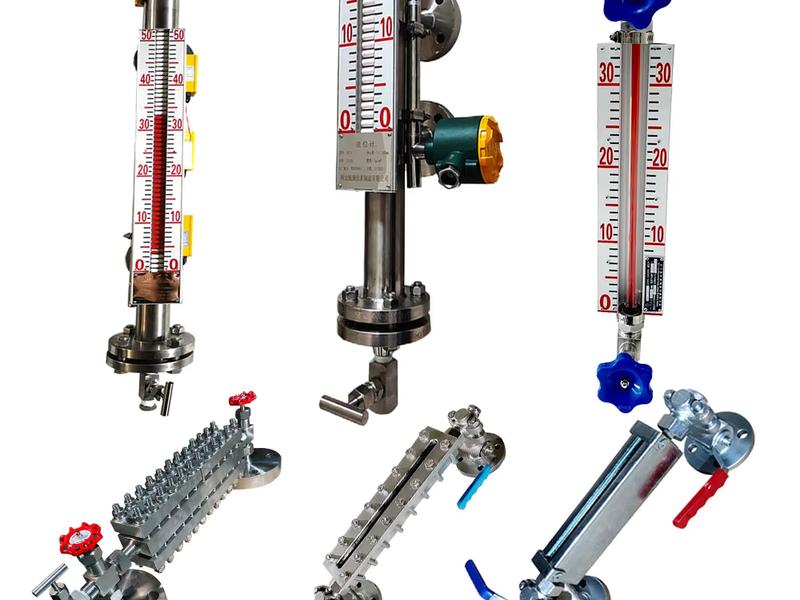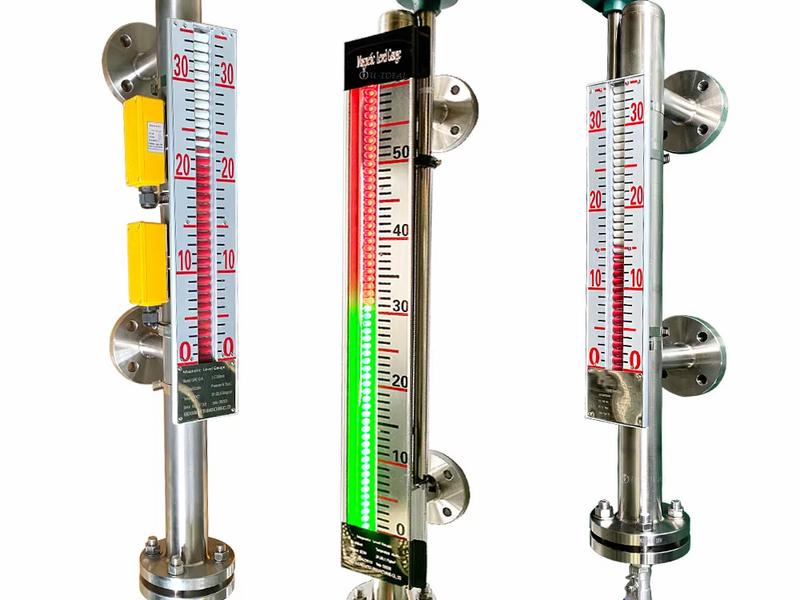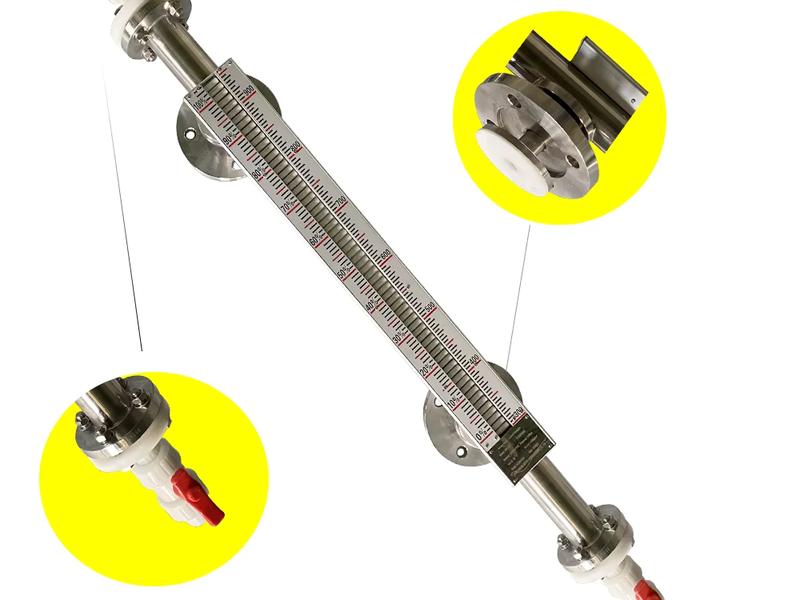
Magnetic Level Gauge
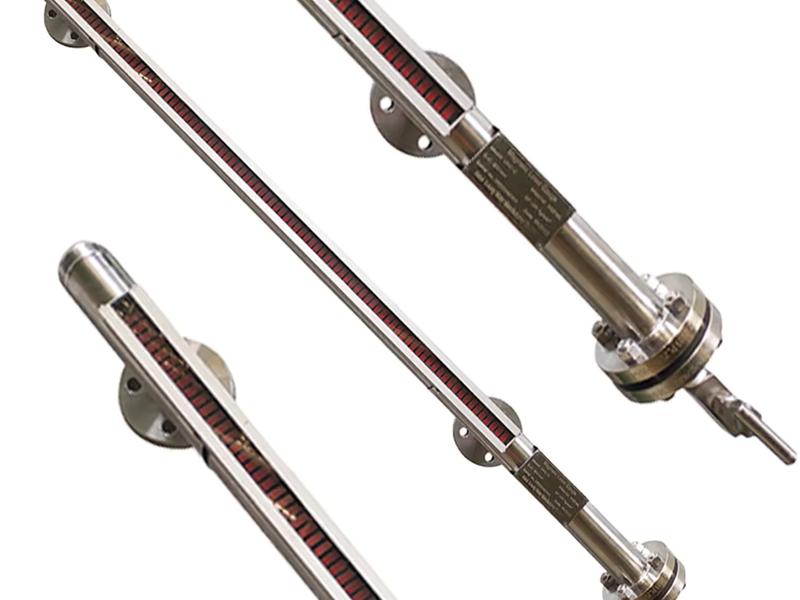
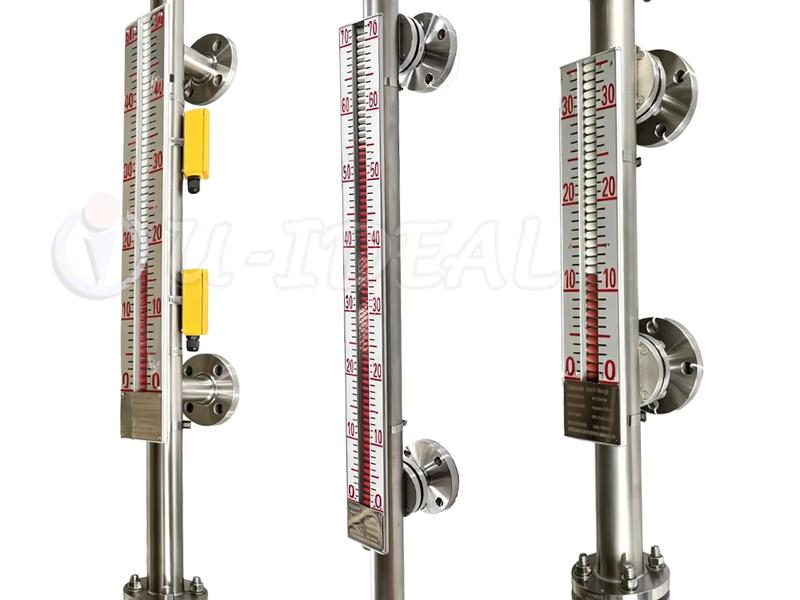
Magnetic level gauge for local indication on pressure vessels up to 16 MPa and 350 C.
Pressure: Up to 16 MPaDetails →
Magnetic, glass and local level gauges for direct tank indication on storage tanks and pressure vessels.
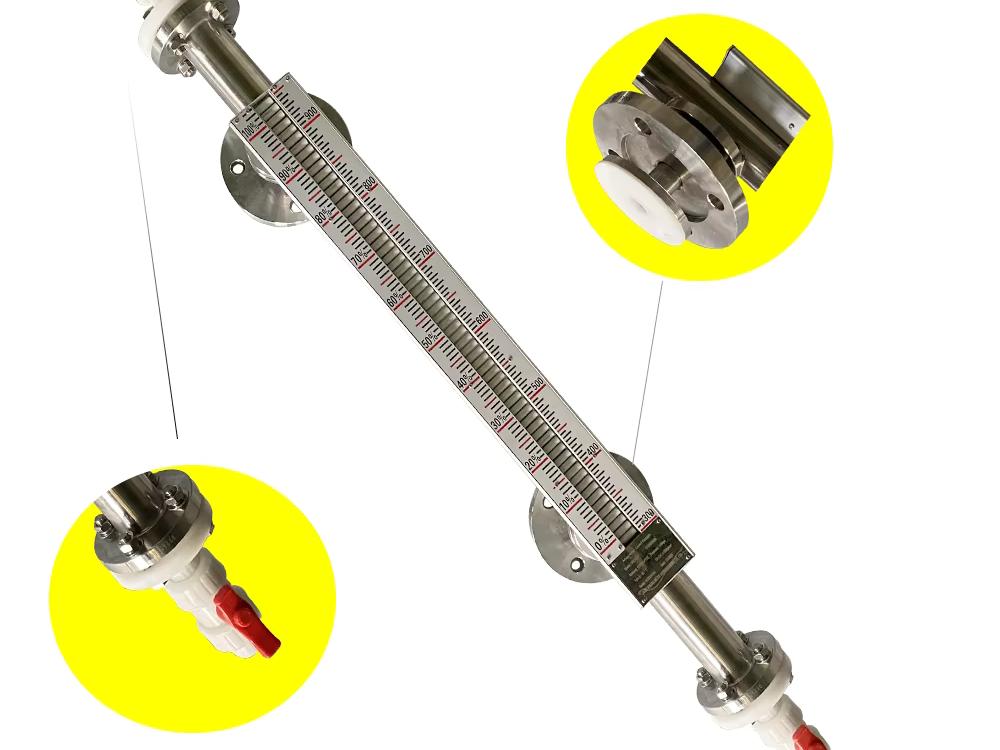
Magnetic float gauges and glass level gauges provide direct local indication, with switches or transmitters added when needed.
We confirm chamber material, flange standard, pressure and temperature before quoting.
Magnetic level gauge for local indication on pressure vessels up to 16 MPa and 350 C.
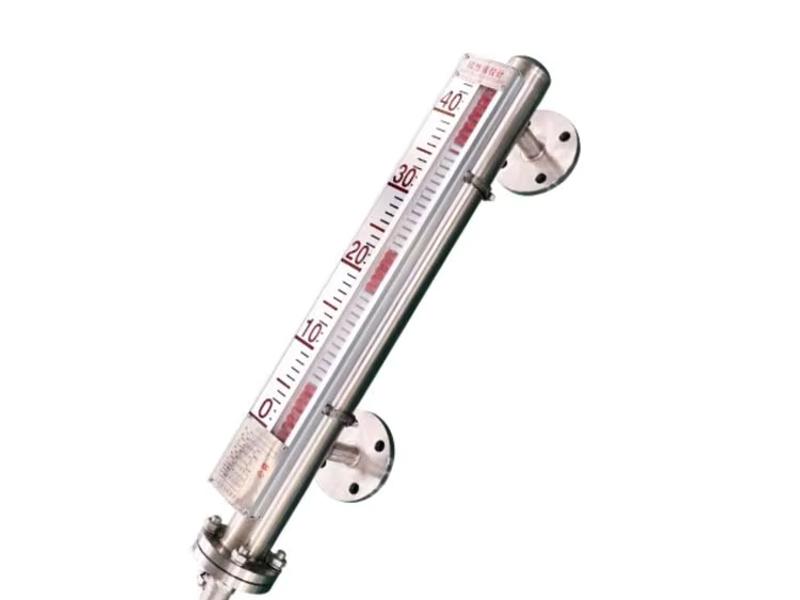
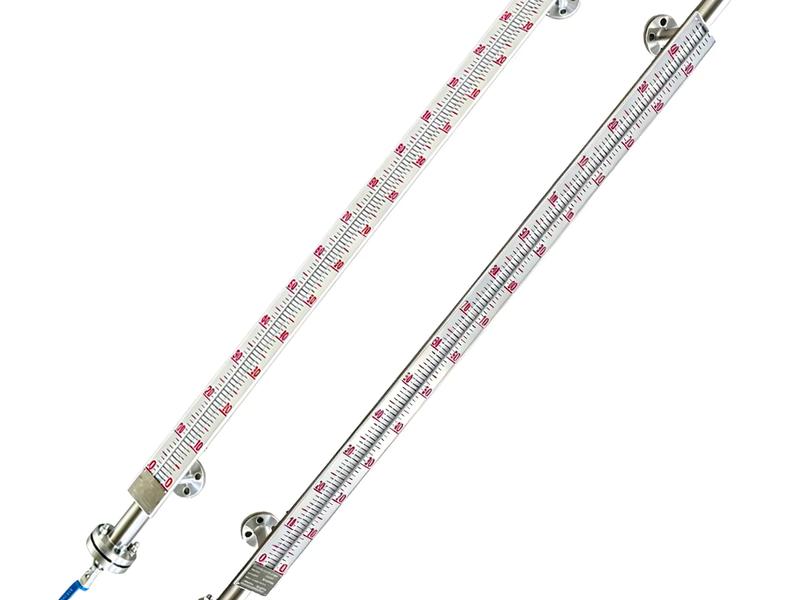
Bypass chamber magnetic level gauge for side-side or side-bottom vessel connections.
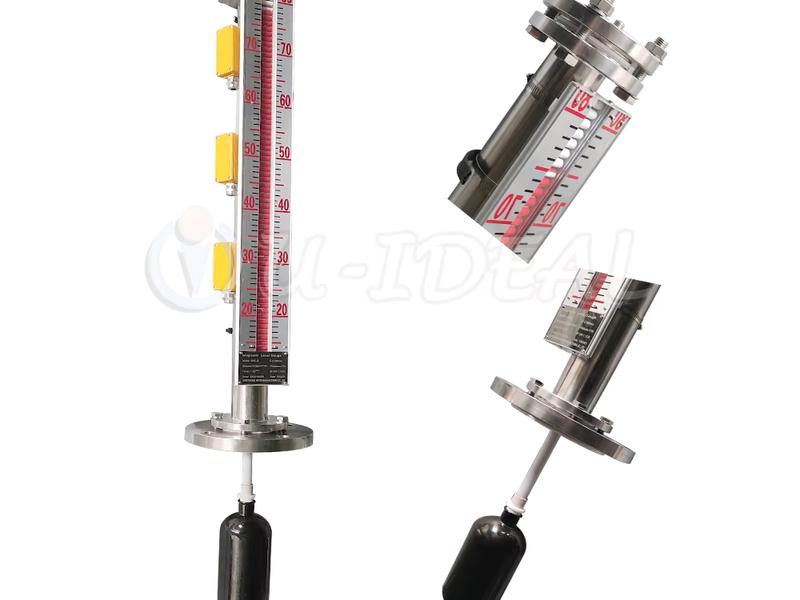
Top-entry magnetic level gauge for tanks without side nozzles or with top-mounted instrument access.
Magnetic level gauge with PTFE, PP, PVC or lined wetted parts for corrosive liquid tanks.
High-resolution continuous liquid level transmitter for magnetic gauge chambers or direct float-probe installation.
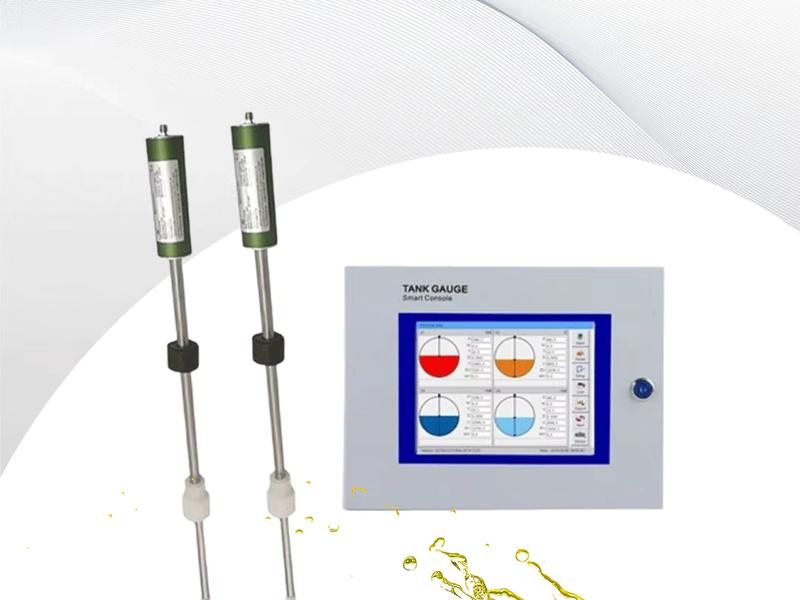
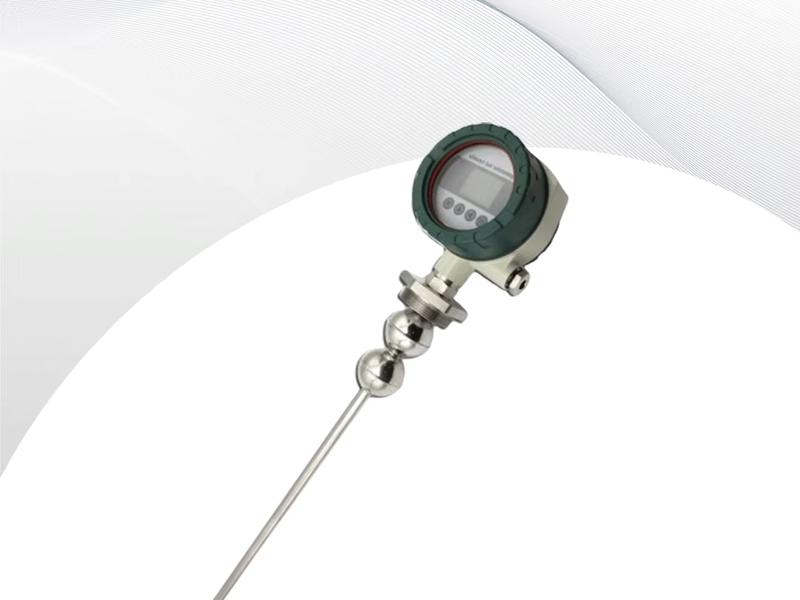
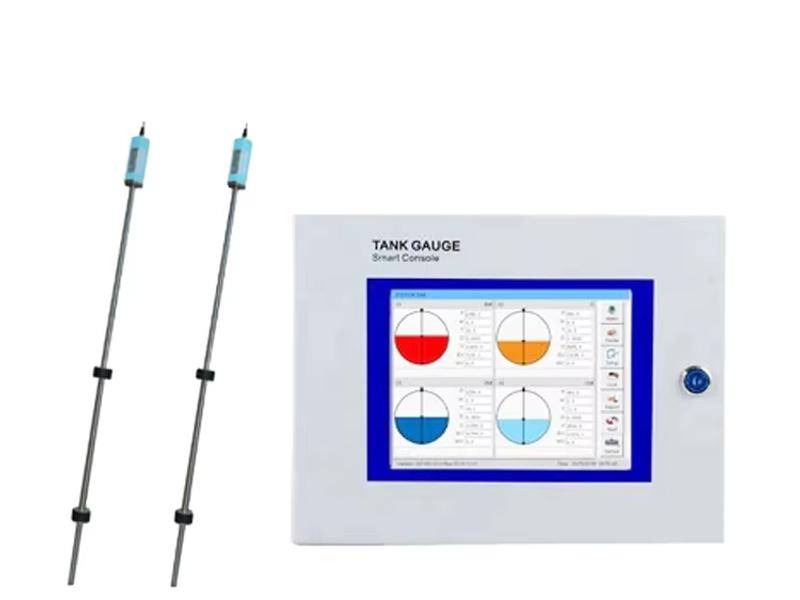
High-accuracy magnetostrictive level gauge for clean liquid storage tanks, fuel tanks and chemical tanks.
Dual-float magnetostrictive transmitter for total level and liquid-liquid interface measurement review.
Packaged magnetic gauge solution with local indication, alarm switches and 4-20 mA transmission.
Engineered magnetic level gauge for pressure vessels, separators and demanding process conditions.
Magnetic level gauge with steam jacket or heat tracing for viscous liquids and temperature-maintained tanks.
Magnetic level gauge with insulation or frost-proof extension for low-temperature and outdoor service.
Continuous magnetic float transmitter with reed-chain or magnetostrictive output for tank level signal transmission.
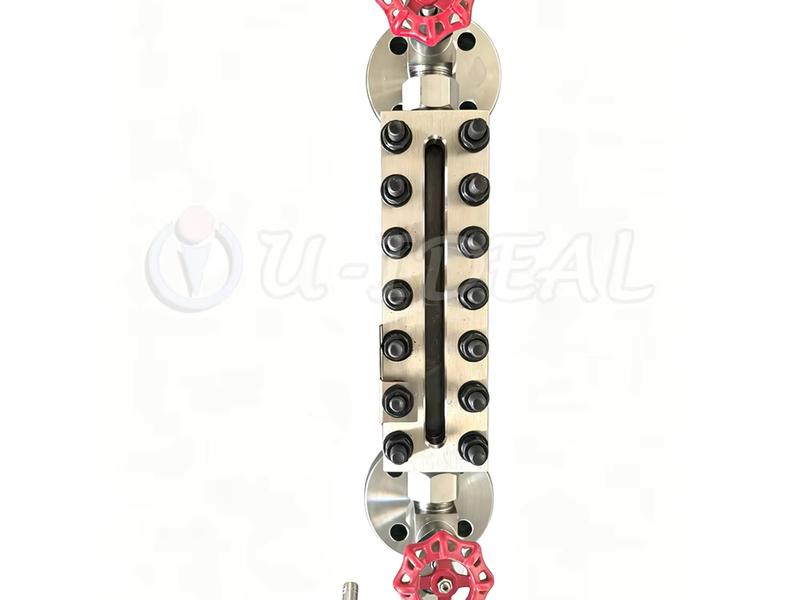
Direct-reading glass plate or glass tube level gauge for local tank indication where magnetic indication is not required.
Magnetic and local level gauges are selected when operators need direct tank indication at the vessel. A magnetic gauge uses a float inside a chamber or stem to drive an external indicator, so local reading does not require power unless switches or transmitters are added.
The float must be matched to medium density, pressure and temperature. For side-mounted gauges, center-to-center distance, flange rating and drain or vent arrangement are important. For top-mounted gauges, insertion depth, tank clearance and float movement must be confirmed.
Glass plate and glass tube gauges are direct visual instruments, but they are not interchangeable with magnetic gauges. Pressure, temperature, glass material, valves, shields and operator safety should be reviewed before using glass indication on process vessels.
Magnetostrictive transmitters and magnetic gauge packages add 4-20 mA, HART or alarm outputs. Interface measurement is possible only when the two liquids have suitable density separation and a stable interface; otherwise a different measurement principle may be safer.
For viscous, crystallizing or high-temperature service, insulation, steam jacket, chamber material and drain/cleaning access should be confirmed. For RFQ, send measuring range, mounting style, connection standard, medium, density, pressure, temperature, material, heating or insulation requirement and required outputs.
| Type | Best for | RFQ note |
|---|---|---|
| Side-mounted magnetic gauge | Process vessels and storage tanks | Center-to-center distance |
| Top-mounted magnetic gauge | Top-entry tanks | Insertion depth and clearance |
| Lined magnetic gauge | Corrosive chemicals | Lining material and temperature |
| High-pressure magnetic gauge | Boilers and pressure vessels | Design pressure and flange rating |
| Steam-jacket magnetic gauge | Viscous or crystallizing media | Heating medium and temperature |
| Magnetostrictive transmitter | Continuous high-resolution liquid level | Float density and output |
| Glass plate/tube gauge | Direct visual level indication | Glass type, valve set and pressure |
Local indication does not need power. Power is only required for optional switches or transmitters.
It is the distance between the upper and lower process connections of a side-mounted gauge.
Some magnetostrictive or dual-float arrangements can measure interface if density separation is suitable.
Use glass gauges when direct visual observation is required and pressure, temperature and safety conditions allow it.
Yes. Alarm switches and 4-20 mA/HART transmitters can be configured from the gauge design.
Engineering confirms the product family before quotation.
Uploaded reference files are included with the inquiry. For larger CAD packages, reply to the confirmation email or send them here:
Our team typically replies within 24 hours.
80 GHz radar, compact radar, silo radar, air-purge radar, hazardous-area radar, high-temperature radar and guided wave radar product families with 4-20 mA, HART, RS-485 and project telemetry options.
Integrated, split, two-wire, compact, low blind-zone, PTFE-faced, explosion-proof, open-channel, external and water/fuel tank ultrasonic level instruments for economical non-contact measurement.
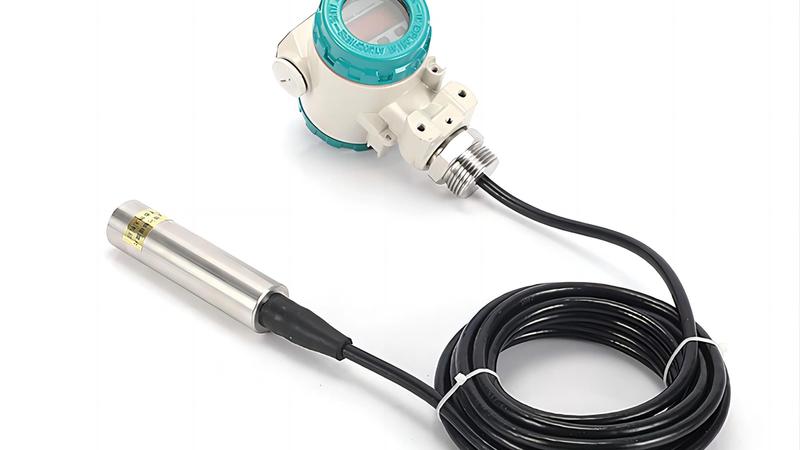
Cable-type, small-diameter, deep-well, wastewater, drinking-water, PTFE anti-corrosion, smart display, flush diaphragm, sanitary and DP level transmitter families for continuous liquid level measurement.
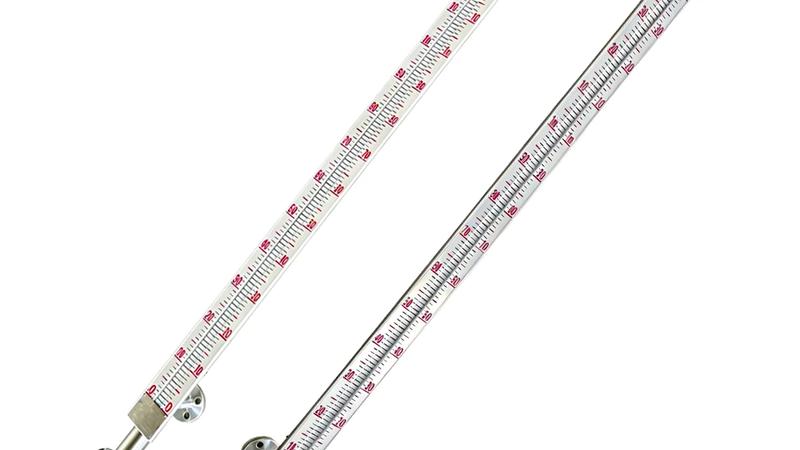
High-pressure magnetic level gauges to 16 MPa and 450°C — steam jackets, frost protection, float collapse margins. Contact WELK with your…
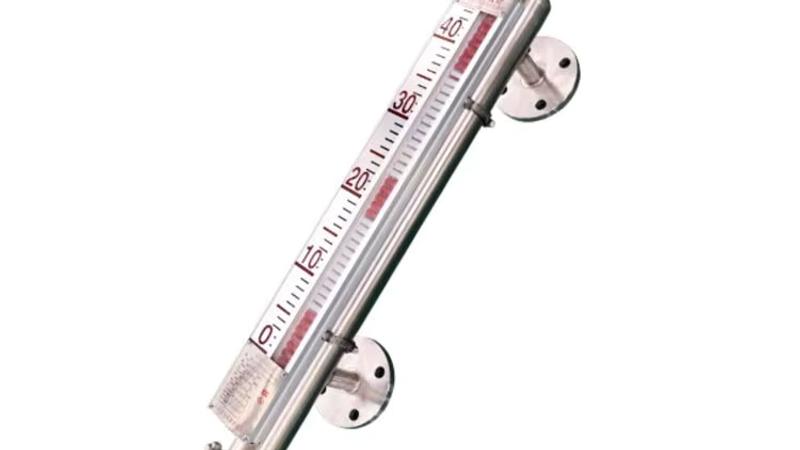
Compare 316L, PP-lined and PTFE-lined magnetic level gauge materials for corrosive tanks: temperature and pressure limits. Get a quote…
Learn how to import level transmitters from China: Incoterms, T/T payment, QC inspection, shipping and customs. Get a free WELK quotation…