Submersible Hydrostatic Level Transmitter
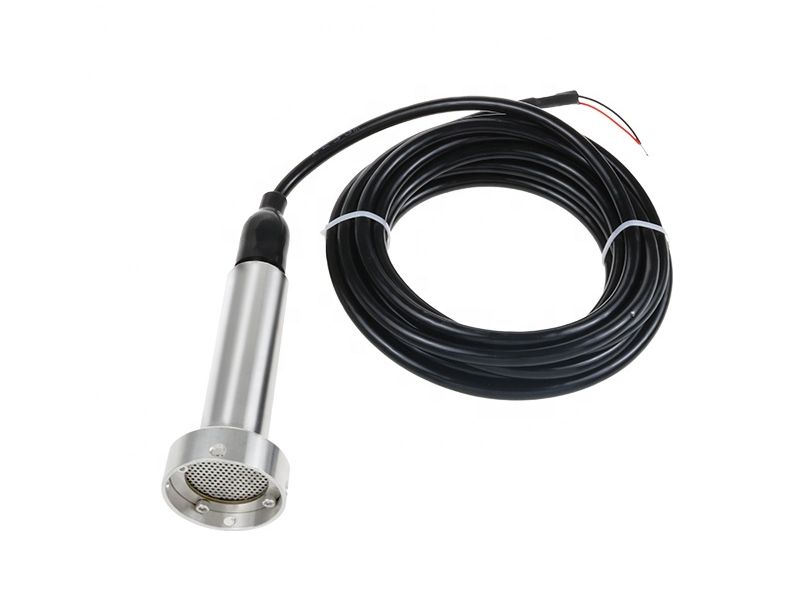
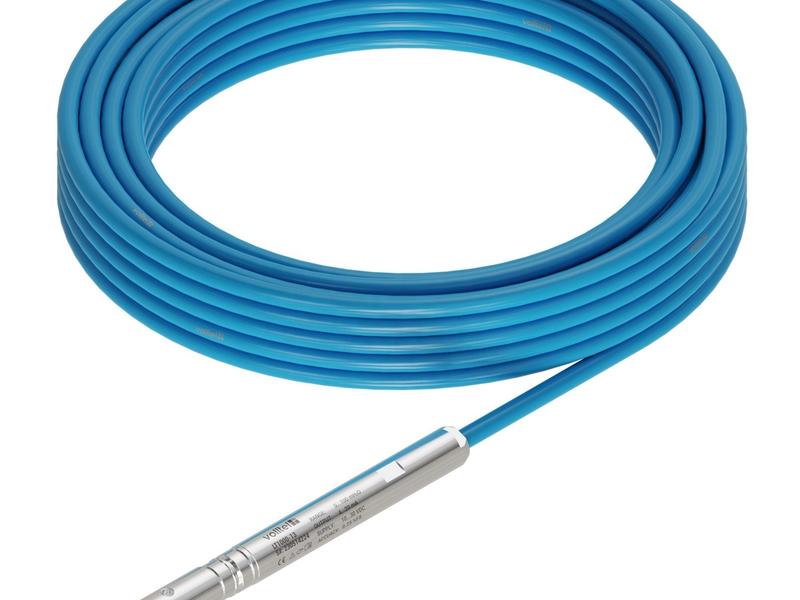
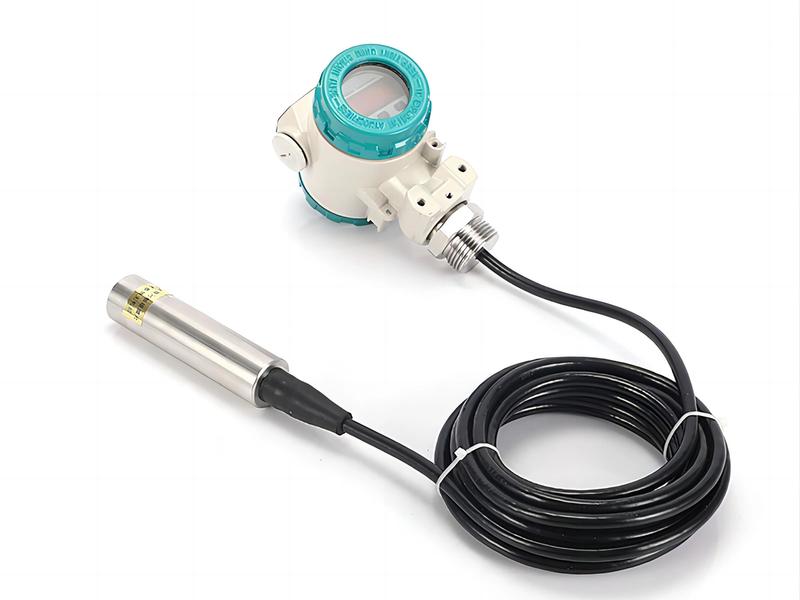
Submersible hydrostatic level transmitter for wells, reservoirs, tanks and water projects with cable length and output configured by depth.
Range: Short tanks to 200 mH2O classDetails →
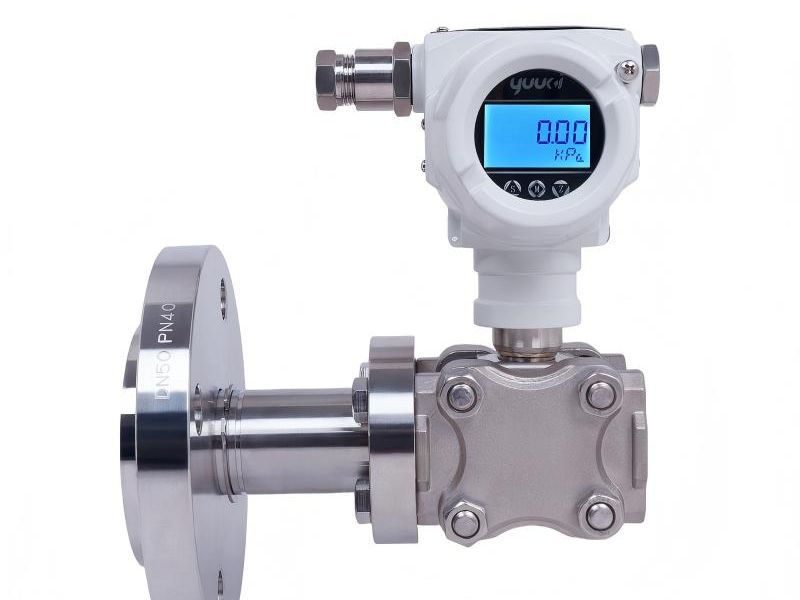
Submersible hydrostatic probes, borehole level transmitters, anti-corrosion probes, flush diaphragm transmitters and differential-pressure tank level packages.
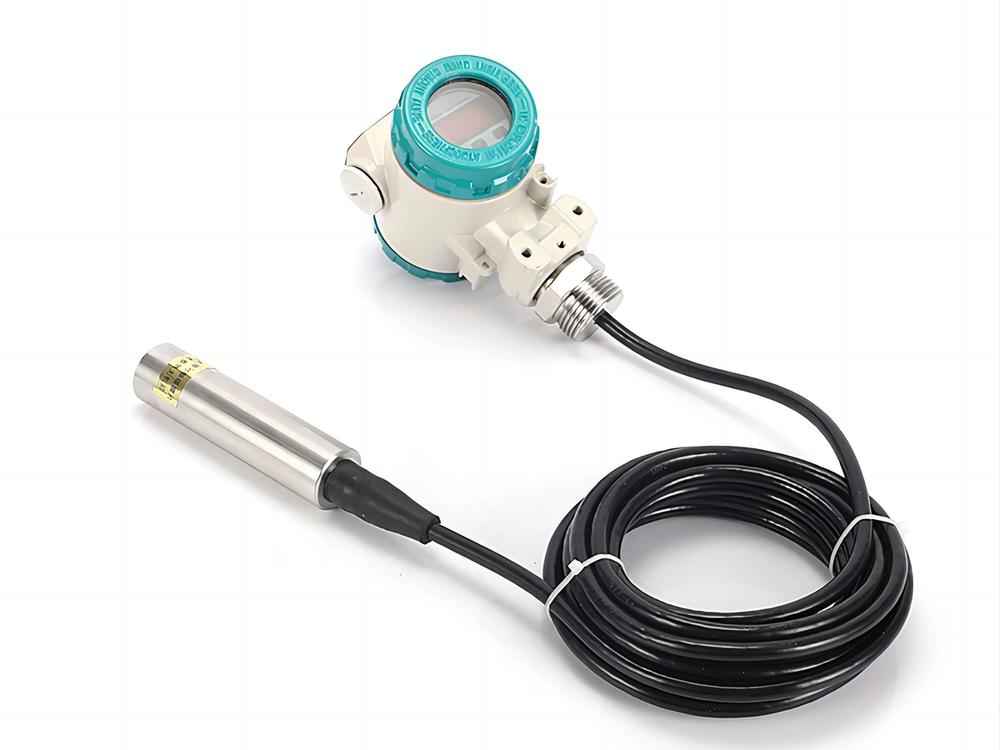
WELK sizes range, cable, suspension allowance and junction-box position from well depth, normal level and cabinet location.
Probe material, diaphragm style, cable sheath, nose cone and anti-blocking construction are selected from medium and buildup risk.
Density, mounting height, zero point, capillary or remote seal requirements are checked before pressure or DP level is quoted.
Small-diameter probes and cable OD are checked from casing ID, depth, pulling risk and service access.
Submersible hydrostatic level transmitter for wells, reservoirs, tanks and water projects with cable length and output configured by depth.
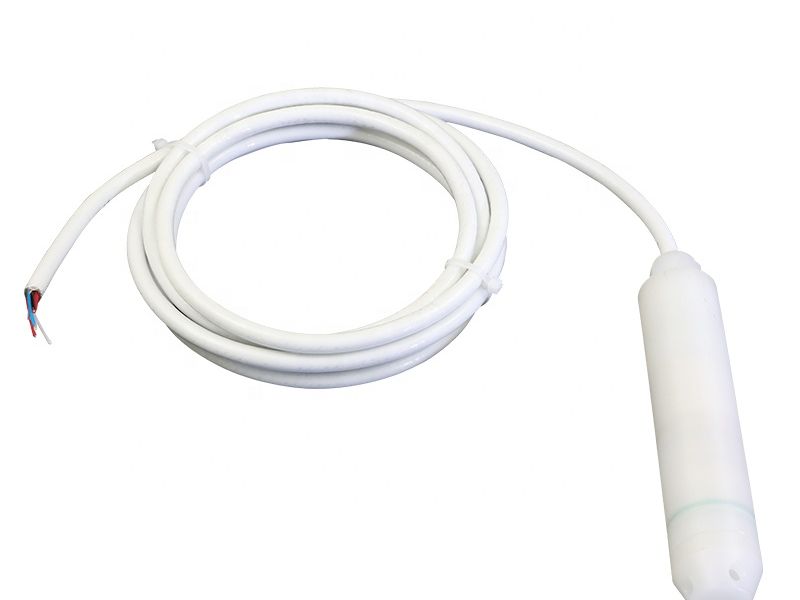
Hydrostatic level probe configured for clean water tanks, reservoirs and drinking-water projects where wetted materials and cable sheath matter.
Submersible hydrostatic transmitter configured for sewage pits, wet wells and wastewater tanks with anti-blocking diaphragm review.
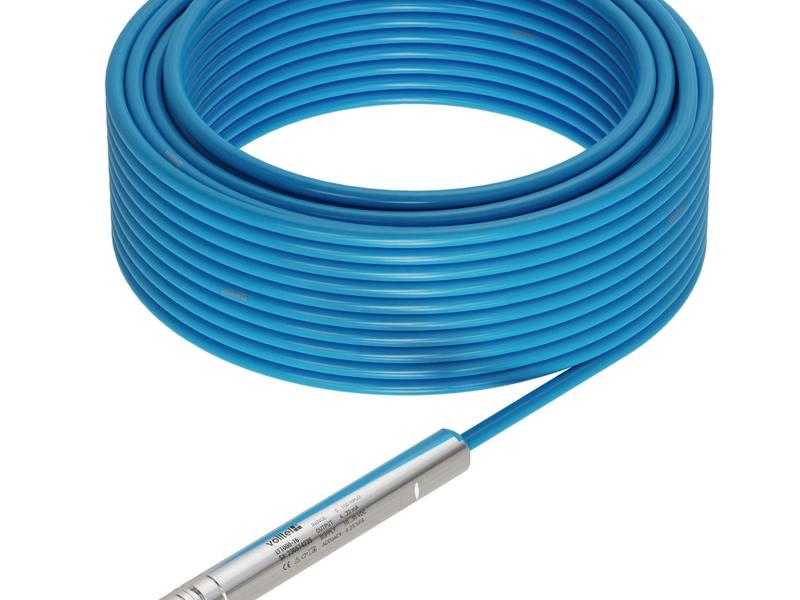
Submersible deep-well level transmitter with long cable, IP68 probe and output selected for groundwater or reservoir monitoring.
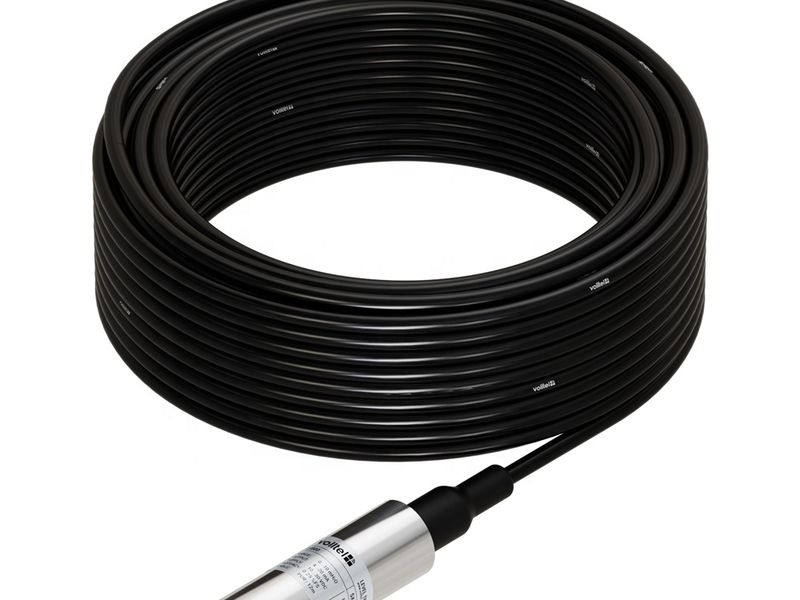
Hydrostatic level transmitter package with mechanically protected cable option for deep wells, tanks and harsh installation routes.
Small-diameter hydrostatic level transmitter for narrow boreholes, monitoring tubes and restricted-access wells.
Anti-corrosion hydrostatic level probe for seawater, acid, alkali and compatible chemical tanks after material review.
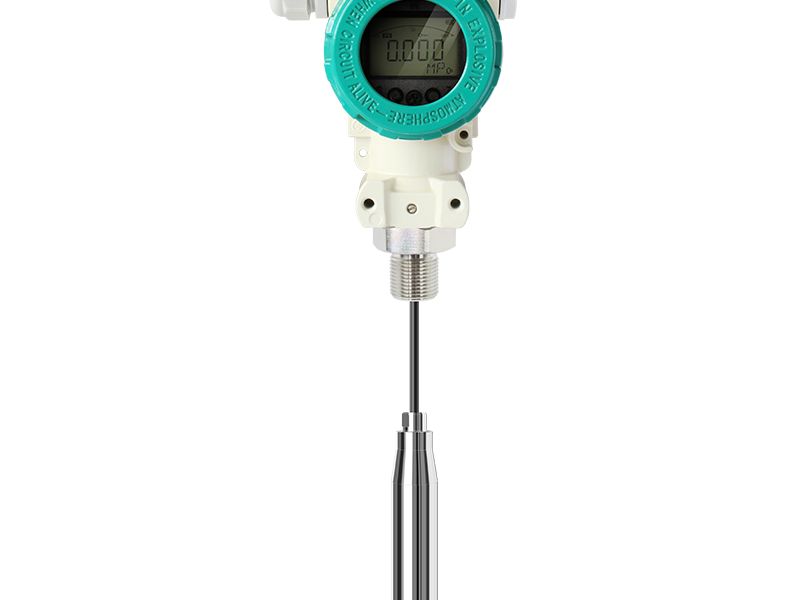
Smart hydrostatic level package with local display, analog output and digital communication options for tank and well monitoring.
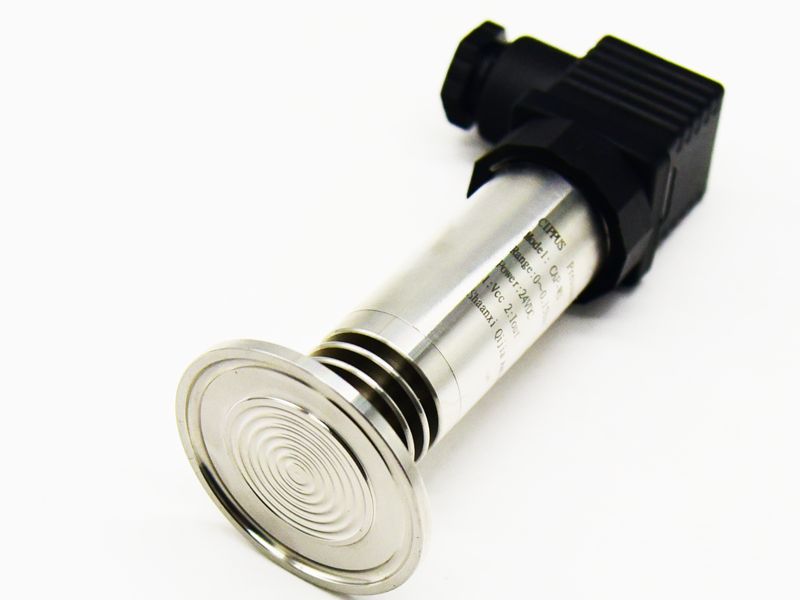
Flush diaphragm pressure-level transmitter for viscous liquids, slurry, buildup-prone media and tank-mounted level measurement.
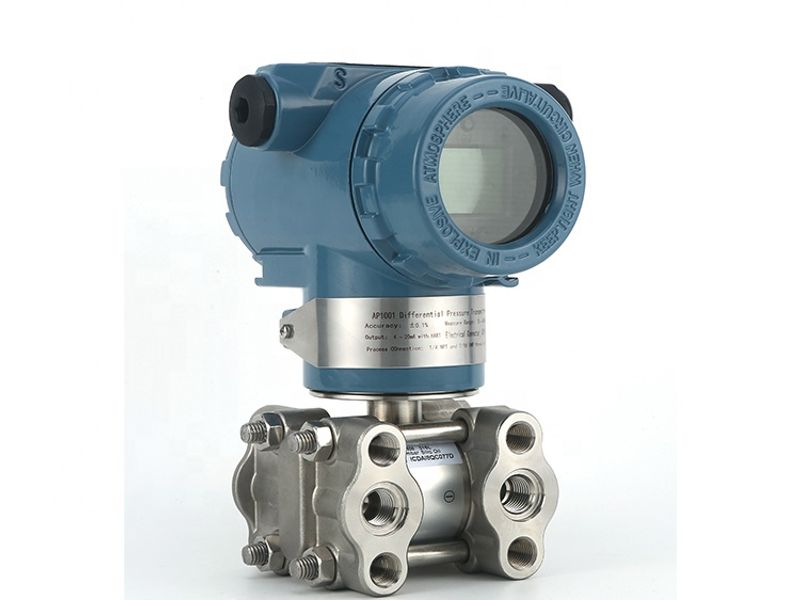
Differential-pressure level transmitter package for closed, pressurized or sealed tanks where density and mounting geometry must be reviewed.
Sanitary flush diaphragm level transmitter for clean process tanks requiring hygienic connection and easy-clean wetted surfaces.
Hydrostatic level transmitters measure the pressure created by a liquid column. They are simple and reliable for wells, reservoirs, clean water tanks, wastewater pits and many process tanks when density and installation conditions are understood.
For submersible probes, the cable is part of the measuring system. Confirm cable length, sheath material, vent tube protection, suspension clamp, junction box and whether the cable may be pulled, rubbed or submerged in aggressive media.
For wastewater and slurry duties, choose an anti-blocking or protected diaphragm design when sediment, sludge, grease or fibers may cover the sensing face. For drinking water, material compatibility and clean cable sheath are more important than maximum pressure alone.
Anti-corrosion probes use PTFE, PVDF, FEP, ceramic or selected stainless constructions by medium. The chemical name, concentration, temperature and cable exposure must be checked before quoting.
Flush diaphragm and differential-pressure level transmitters are not submersible probes, but they belong in this category because they measure tank level by pressure. They are selected for sealed tanks, sanitary vessels, viscous liquids, slurry and remote-seal applications.
| Series | Best for | RFQ note |
|---|---|---|
| Submersible hydrostatic probe | Wells, reservoirs and water tanks | Depth, cable length, output and junction box |
| Small-diameter probe | Boreholes, narrow wells and monitoring tubes | Probe OD, casing ID, depth and cable OD |
| Wastewater probe | Wet wells, sewage pits and sludge-prone tanks | Sludge, grease, diaphragm protection and cable sheath |
| Anti-corrosion probe | Acid, alkali, seawater and corrosive liquids | Chemical name, concentration, temperature and wetted materials |
| Smart display package | Local reading plus analog or digital output | Display position, power and cabinet requirement |
| Flush diaphragm transmitter | Viscous, slurry or hygienic tank service | Connection, density, diaphragm material and cleaning method |
| DP level transmitter | Closed or pressurized tanks | Static pressure, density, seal system and mounting height |
Yes. The transmitter measures pressure. If the liquid density differs from water or changes with temperature/concentration, the level span must be reviewed.
Send total well or tank depth, normal water level, cable route, cabinet location, sheath material need and whether a vented junction box or suspension clamp is required.
Use a flush diaphragm or DP transmitter when the tank is closed, pressurized, hygienic, viscous, slurry-heavy or not suitable for a suspended probe.
Only after material review. The probe body, diaphragm, cable sheath, seals and strain relief must all be compatible with the medium.
Engineering confirms the product family before quotation.
Uploaded reference files are included with the inquiry. For larger CAD packages, reply to the confirmation email or send them here:
Our team typically replies within 24 hours.
80 GHz radar, compact radar, silo radar, air-purge radar, hazardous-area radar, high-temperature radar and guided wave radar product families with 4-20 mA, HART, RS-485 and project telemetry options.
Integrated, split, two-wire, compact, low blind-zone, PTFE-faced, explosion-proof, open-channel, external and water/fuel tank ultrasonic level instruments for economical non-contact measurement.
Power-free local indication plus magnetic, glass plate/tube, high-pressure, lined, steam-jacketed, insulated, switch and 4-20 mA transmitter configurations.
Learn how to import level transmitters from China: Incoterms, T/T payment, QC inspection, shipping and customs. Get a free WELK quotation…
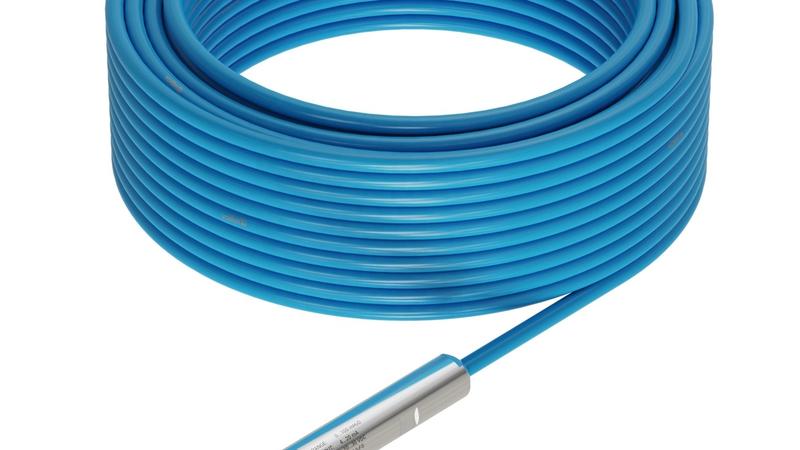
Compare small-diameter probes, submersible cables, and lightning protection for deep well level transmitters to 500 m. Send your well…
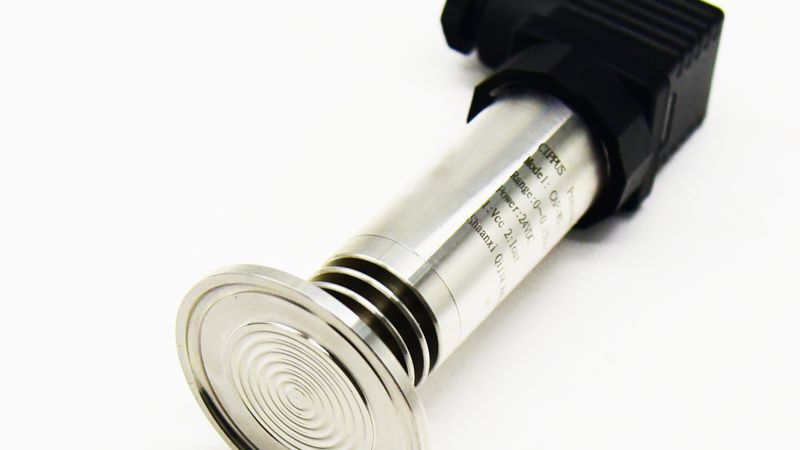
Flush diaphragm level transmitters eliminate dead space and clogging on sludge, slurry and viscous media. Get a free sizing recommendation…