Technical
Flush Diaphragm Level Transmitters: Clog-Free Slurry & Sludge Level
Flush diaphragm level transmitters eliminate dead space and clogging on sludge, slurry and viscous media. Get a free sizing recommendation from WELK engineers.
Flush diaphragm level transmitters eliminate dead space and clogging on sludge, slurry and viscous media. Get a free sizing recommendation from WELK engineers.
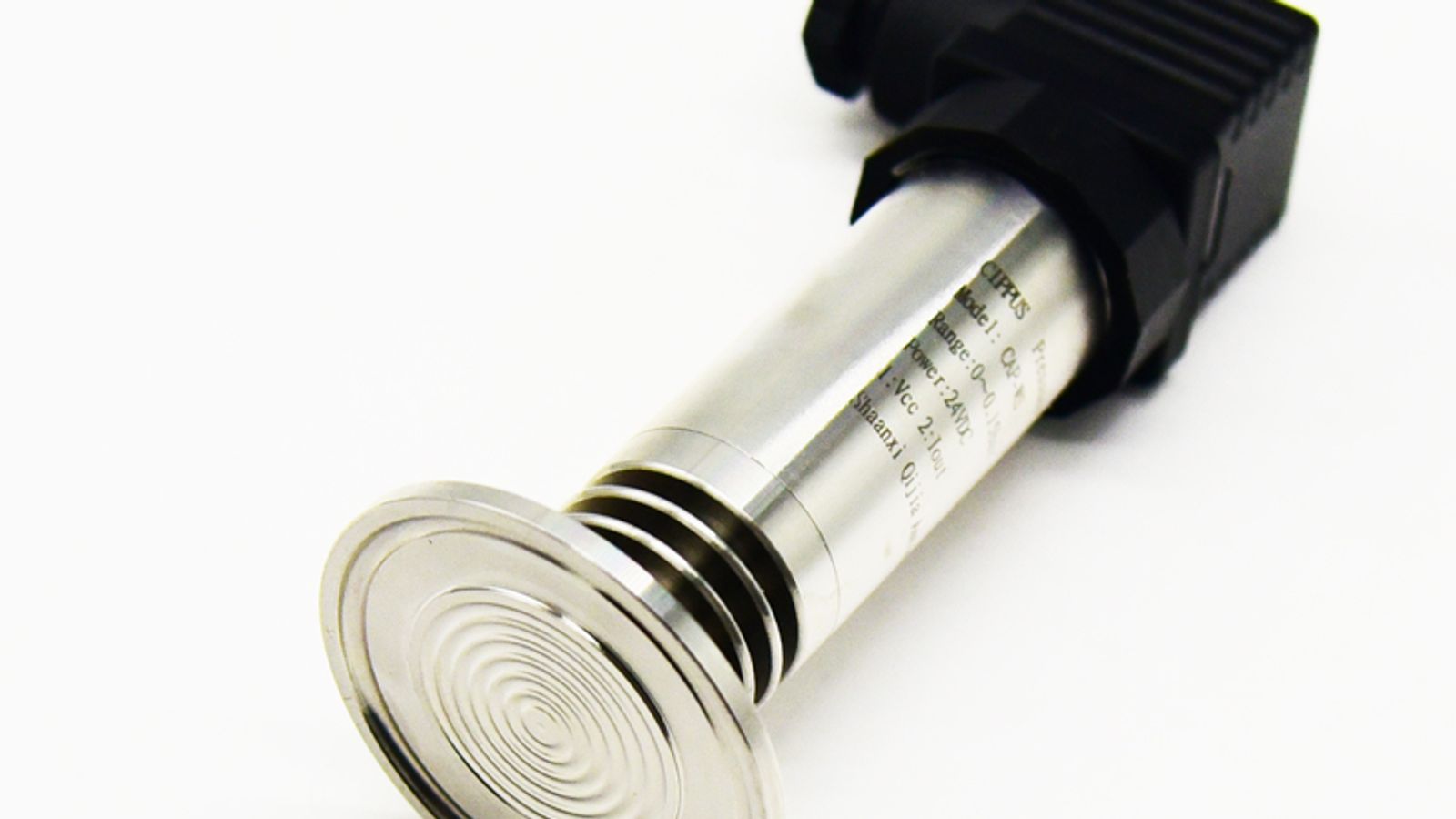
A flush diaphragm level transmitter is a hydrostatic pressure transmitter whose sensing element is a flat metal or polymer diaphragm mounted flush with the process connection, so there is no pressure port, nozzle, or impulse line that can clog. It measures the hydrostatic head of the liquid column above it over ranges from 0-1 mH₂O up to 0-100 mH₂O, with typical accuracy of 0.25-0.5% of full scale (FS), and outputs a 4-20 mA signal. Because the 316L or PTFE-lined diaphragm sits flush with the tank wall or flange face, dead space is eliminated and sludge, slurry, pulp, or crystallizing media cannot bridge or pack behind the element, which makes the flush diaphragm level transmitter the standard clog-free level measurement solution for wastewater, slurries, and viscous media.
Standard pressure transmitters measure level through a pressure port or a length of impulse line that connects the process to the sensing element. On clean water or light chemicals that works well, but on dirty, viscous, or solids-laden media it fails in predictable ways.
Dead zones behind the diaphragm. A conventional transmitter has a cavity, capillary tube, or nozzle between the process and the silicon cell. In a sludge tank or slurry sump, solids settle in that cavity, harden over time, and form a plug that transmits pressure poorly or not at all. The result is a drifting zero point and a level reading that no longer tracks the real tank contents.
Blocked impulse lines. When the transmitter is mounted remotely and connected by a length of tube or pipe, the impulse line fills with the process medium. Fibrous material in pulp and paper stock, rag content in wastewater, and precipitated salts in chemical service all collect in the line. Once the line blocks, the transmitter reads a trapped pressure rather than the live liquid level, and clearing the line is a manual, labor-intensive job that takes the instrument out of service.
Solids bridging and crust formation. Media that crystallize or form a crust, such as caustic brine, lime slurries, gypsum, or polymer dosing solutions, can bridge across the opening of a pressure port. A crust only a few millimeters thick is enough to isolate the cell from the process, producing a frozen reading. The same failure appears in food applications where pastes and syrups caramelize or set around a port.
The common thread is geometry: every recessed port, nozzle, or tube creates a place where solids can accumulate. The flush diaphragm level transmitter removes that geometry entirely.
In a flush diaphragm instrument, the sensing element is welded or clamped so that its front face is exactly coplanar with the face of the flange, threaded process connection, or clamp. The process medium presses directly against the full surface of the diaphragm, and the diaphragm, typically 0.05-0.20 mm thick in 316L or 316L with a PTFE/PVDF facing, flexes under the applied hydrostatic head. A fill fluid trapped between the diaphragm and the sensing cell transfers that deflection to the silicon pressure sensor behind it.
Because the diaphragm is flush, there is no dead space, no impulse line, and no port to clog. Sludge, slurry, pulp, and viscous pastes wash past the element without accumulating, which is why the design is also described as a flush mount pressure transmitter or zero dead-space transmitter. The pressure range is set by the diaphragm area and stiffness: larger diaphragms (up to DN80/DN100 or 3-4 inch flanges) deliver low ranges down to 0-1 mH₂O with good resolution, while smaller connections handle high static pressures. WELK's flush diaphragm hydrostatic level transmitter covers the full range of diaphragm sizes, wetted materials, and output options used in slurry and wastewater duty.
Selecting the wetted material is the single most important decision for a flush diaphragm transmitter, because it must resist both the chemistry and the abrasion of the process medium.
316L stainless steel is the default diaphragm material and suits most wastewater sludge, primary and secondary clarifiers, pulp stock at moderate consistency, and neutral or mildly corrosive slurries. For process temperatures up to about 130-150 °C continuous, 316L is usually sufficient.
Hastelloy C-276 diaphragms are specified for strongly acidic or chloride-bearing slurries, such as hydrochloric acid, wet chlorine service, and ferric chloride dosing in wastewater treatment. A Hastelloy diaphragm avoids the pitting and crevice corrosion that shortens 316L life in these streams.
PTFE or PVDF-faced diaphragms add a polymer barrier over the metal for highly corrosive media such as concentrated acids, caustic, and aggressive solvents, while preserving the flush geometry. PTFE faces are also used where media tend to stick to metal. WELK's anti-corrosion hydrostatic level transmitter is built around corrosion-resistant wetted parts for chemical slurries and aggressive dosing applications.
Sanitary options for food, beverage, and pharmaceutical duty use 316L with Ra ≤ 0.4 μm surface finish, 3A-compliant clamp connections, and crevice-free welds. These are covered in the sanitary section below.
For abrasive media, consider that a thin diaphragm exposed to continuous solids impact can erode over years of service. Where abrasion is extreme, a thicker diaphragm, a PTFE cap, or an extended version that moves the element into a protected pocket may be justified, and WELK engineers will recommend the right combination from the diaphragm diameter, media hardness, and flow velocity.
When comparing flush diaphragm transmitters, the specifications that matter for process decisions are:
Static pressure ratings typically range from 1.6 bar up to 40 bar or more depending on the flange rating (PN16, PN40, ANSI 150/300), so confirm the tank operating pressure, not just the liquid level, when sizing the instrument.
All three families are hydrostatic level sensors, but they are not interchangeable on dirty service.
| Feature | Flush diaphragm | Extended diaphragm | Conventional port/capillary |
|---|---|---|---|
| Dead space at sensing point | None | Small pocket in front of diaphragm | Large port; nozzle; or line |
| Clog resistance on sludge/slurry | Excellent | Good | Poor |
| Sensitivity to low ranges | Good (large diaphragm area) | Good | Best on clean media |
| Vacuum/pressure cycling | Requires vacuum-rated build | Moderate | Usually fine |
| Typical best use | Wastewater; slurry; viscous media | High-temperature; high-pressure; viscous with solids | Clean liquids; gases |
Choose a flush diaphragm when the medium clogs, settles, or crystallizes. Choose an extended diaphragm when the process temperature exceeds the fill fluid limit of a flush unit (above about 150 °C) or when static pressure is very high, accepting a small dead pocket. Choose a conventional transmitter only when the medium is clean and you need maximum rangeability or lowest cost. For a fuller comparison across radar, ultrasonic, hydrostatic, and other technologies for sludge and wastewater service, WELK's water and wastewater level measurement sensor selection guide walks through the trade-offs by application.
In a municipal or industrial wastewater plant, flush diaphragm transmitters are mounted at the bottom of sludge holding tanks, thickeners, digesters, and lift station wet wells. In primary sludge with 2-6% solids, a conventional port transmitter plugs within weeks; a flush diaphragm with a 316L face continues to read correctly for years. Lift stations, where the medium is raw sewage with rags and grit, are another classic case: the flush element avoids the rag accumulation that blocks bubbler lines and ports. WELK's wastewater hydrostatic level transmitter is configured specifically for these duties, and the water and wastewater level application page lists the full instrument set for the sector.
Paper stock at 3-6% consistency is fibrous and abrasive, and it mats over any protruding sensor. A flush diaphragm mounted in the chest wall reads the hydrostatic head of the stock reliably, and the smooth face prevents fiber buildup between batches. Because stock can have entrained air, the flush design's direct contact with the liquid column gives a more stable reading than air-backed techniques.
In chemical plants, slurry handling ranges from lime slurries and titanium dioxide suspensions to gypsum and catalyst slurries. Lime and gypsum slurries crystallize and crust over ports; a flush diaphragm with Hastelloy or PTFE facing prevents crust formation at the sensing point. For tank farms handling multiple aggressive liquids, the chemical storage tank level measurement guide and the chemical storage tanks application page are useful companions to the flush diaphragm product line.
Pastes and viscous products such as tomato paste, mustard, chocolate, paint, adhesives, and resin all wet and stick to metal. A flush diaphragm with a smooth, large-area face gives these products nothing to cling to in a way that blocks the signal. In food service the sanitary flush versions described below also meet the cleaning requirements of the plant.
Mining sumps collect dense abrasive slurry, often 20-40% solids by weight. A flush diaphragm transmitter in the sump wall survives the solids impact far better than a probe or bubbler, and the 4-20 mA output feeds directly into the pump control logic that governs sump level. For very deep sumps and ponds, an IP68 submersible flush version is an alternative to a wall-mounted unit.
Food and pharmaceutical level measurement adds cleaning and hygienic-design requirements on top of the clogging problem. The product itself — yogurt, syrup, cream, fermentation broth, CIP return liquor — is viscous and product-contact surfaces must not trap residues that harbor bacteria.
A sanitary flush diaphragm level transmitter is built with a 316L diaphragm polished to Ra ≤ 0.4 μm, welded or clamped with a crevice-free joint, and terminated in a 3A sanitary clamp (tri-clamp) connection from DN25 to DN51, or a Varivent or DIN11851 fitting. Because the diaphragm is flush, there are no threads, pockets, or dead legs where product can collect and ferment.
CIP (clean-in-place) and SIP (steam-in-place) compatibility depends on the instrument's temperature and chemical resistance. A sanitary flush transmitter should withstand 85-95 °C caustic and acid CIP cycles, and, for SIP, short excursions to 130-140 °C saturated steam without damage to the diaphragm or fill fluid. EHEDG and 3A guidance both favor flush, crevice-free sensing elements for exactly the reason discussed here: no dead space means no residue, which means no harbor for microorganisms. Where a sterile barrier is required between process and fill fluid, a sanitary flush transmitter with a welded metal diaphragm provides the needed integrity.
Getting a flush diaphragm transmitter installed correctly is the difference between years of reliable service and a chronic maintenance problem.
Weld-in flange or pipe saddle. The most common mounting is a weld-in flange, nozzle, or pipe saddle that is welded into the tank wall, with the transmitter bolted to it. Weld the mounting piece first, then install the transmitter — never weld with the instrument in place, because welding current can arc through the diaphragm and fill fluid, and heat can damage the electronics. If welding must happen near an installed instrument, remove it or protect the diaphragm with a welded cover plate.
Mounting orientation. Mount the transmitter so the diaphragm face is vertical or angled slightly downward-facing in side-wall mounts. This keeps a pad of settled solids from sitting on the diaphragm face. For bottom mounts, use a flush arrangement that allows solids to drain away from the face.
Zero-point adjustment. After installation, fill the tank to a known reference level or empty it, then perform a zero-point trim. Because a flush diaphragm reads the full hydrostatic head including any leg fill and mounting stresses, a field zero trim at the actual process conditions corrects for both. Re-zero after any process temperature change that affects the fill fluid, and verify with a hand pump if the instrument supports it.
Protect the diaphragm during construction. Before hydrostatic testing or commissioning, blank off the diaphragm with a protective cover. Diaphragms are thin by design, and a single welding splatter or a pressure spike during a line test can deform them permanently.
Wiring and surge protection. Use shielded twisted-pair cable for the 4-20 mA loop, ground the shield at one end, and install surge protection where the cable runs outdoors or near variable-frequency drives.
| Criterion | Flush diaphragm transmitter | Submersible probe | Bubbler | Radar |
|---|---|---|---|---|
| Clog resistance | Excellent — flush face; no dead space | Good; but probe tip can foul on fibrous media | Fair — dip tube and compressor need air supply | Excellent non-contact; unaffected by media contact |
| Accuracy | 0.25-0.5% FS | 0.25-0.5% FS | 0.5-1% FS typical | ±2-10 mm on clean surface; foam degrades |
| Maintenance | Very low; periodic zero check | Low; clean probe tip periodically | High — filters; dryers; air lines; purge flow | Low on sensor; foam and vapor handling needed |
| Relative cost | Low-medium | Low | Medium-high over lifecycle | Medium-high |
| Best for | Sludge; slurry; viscous; pastes; agitated tanks | Deep wells; tanks; open sumps | Dirty media in small tanks; sludge blanket | Clean or moderately dirty surfaces; large tanks; solids-free |
The flush diaphragm and submersible probe both measure hydrostatic head, but on sludge and slurry the flush mount wins on clog resistance because the sensing face is clean. Radar is the strongest non-contact alternative when the tank has foam, vapor, or agitator interference that defeats contact sensors, though radar struggles with stable foam blankets and requires careful antenna selection. Before you finalize a technology, sending the process data to WELK for review is the fastest way to a defensible decision.
What is the difference between a flush diaphragm transmitter and a regular pressure transmitter? A flush diaphragm transmitter has its sensing element mounted exactly flush with the process connection face, eliminating the pressure port, nozzle, and impulse line of a regular transmitter. This removes dead space where sludge, slurry, and viscous media can settle and clog, at the cost of slightly lower maximum range and a larger process connection.
Can a flush diaphragm level transmitter measure sludge and slurry reliably? Yes. The flat diaphragm leaves nothing for solids to bridge or pack against, so sludge, slurry, pulp, and crystallizing media pass over it without blocking the pressure signal. It is the standard hydrostatic choice for wastewater sludge and industrial slurry level measurement.
What accuracy can I expect from a flush diaphragm level transmitter? Industrial versions typically achieve 0.25-0.5% of full scale, with 0.5% FS common over a broad temperature range. High-accuracy sanitary and custody versions can reach 0.1-0.2% FS. Accuracy depends on the span, temperature stability, and correct installation.
Is a flush diaphragm transmitter suitable for CIP/SIP cleaning in food plants? A sanitary flush diaphragm transmitter with a 316L diaphragm polished to Ra ≤ 0.4 μm and a 3A clamp connection is designed for clean-in-place and steam-in-place cycles up to about 95 °C for CIP and short 130-140 °C steam excursions, with no crevices to trap residue.
Why does my conventional level transmitter keep plugging on lime slurry, and what should I use instead? Lime and gypsum slurries crystallize and crust over pressure ports and impulse lines. Replacing it with a flush diaphragm transmitter with a Hastelloy or PTFE-faced diaphragm removes the pocket where crust forms, providing continuous clog-free level measurement.
Every slurry, sludge, and paste is different, and a flush diaphragm transmitter is only reliable when the diaphragm material, connection size, range, and vacuum rating match your process. Send WELK's engineers your media data — slurry density, solids content by weight, temperature, pressure, tank dimensions, and whether the tank is pumped down — and get a free flush diaphragm transmitter recommendation sized for your application. Email sales@level-meters.com or use the inquiry form on the site, and include your RFQ checklist details so nothing is missed. All instruments are built and pressure-tested under WELK's documented quality control procedures before shipment, and prototypes and sample evaluations can be arranged for qualification testing.
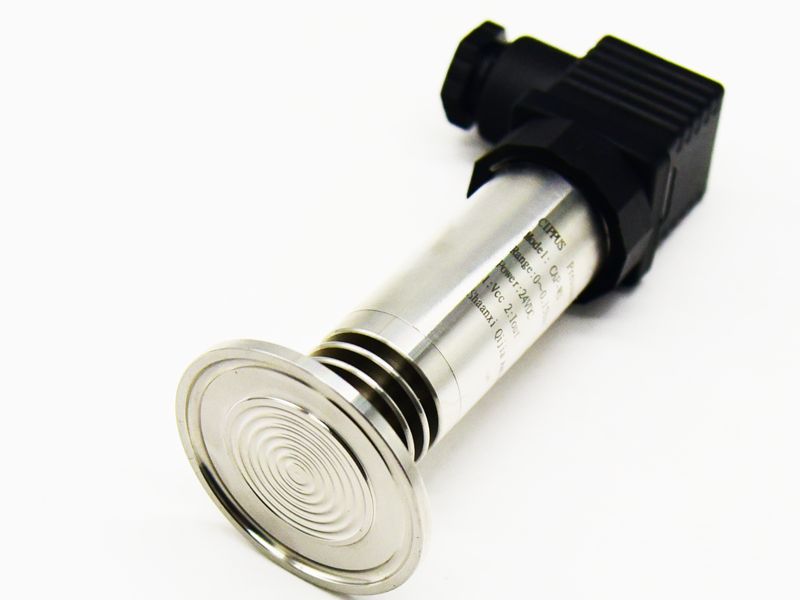
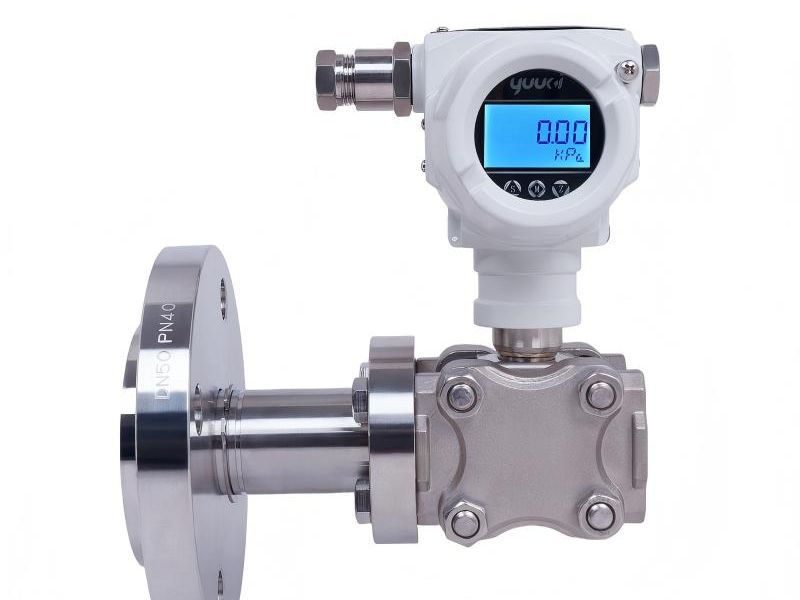
Flush diaphragm pressure-level transmitter for viscous liquids, slurry, buildup-prone media and tank-mounted level measurement.
Sanitary flush diaphragm level transmitter for clean process tanks requiring hygienic connection and easy-clean wetted surfaces.
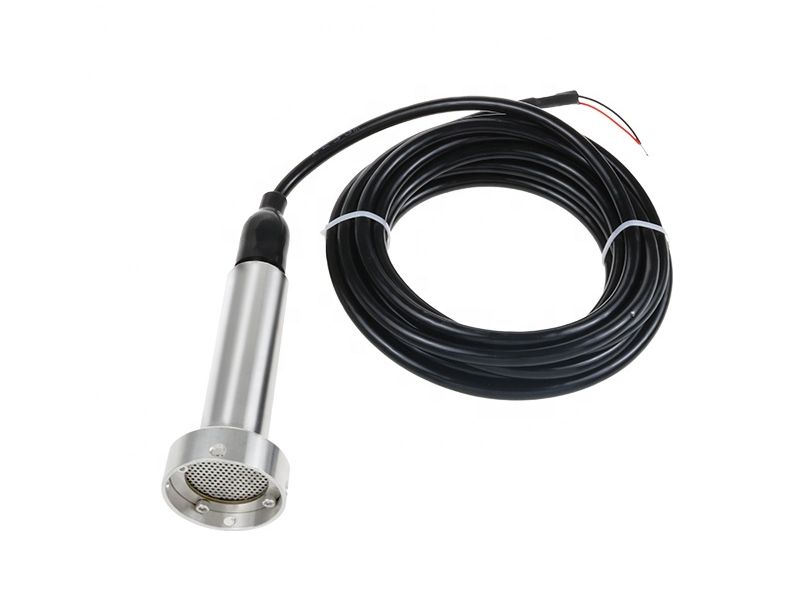
Submersible hydrostatic transmitter configured for sewage pits, wet wells and wastewater tanks with anti-blocking diaphragm review.
Send drawings, dimensions, material, environment or operating conditions, and we will help confirm the right specification.
Uploaded reference files are included with the inquiry. For larger CAD packages, reply to the confirmation email or send them here:
Our team typically replies within 24 hours.